The same notes stand out
A few bass notes dominate, even when you change the music.

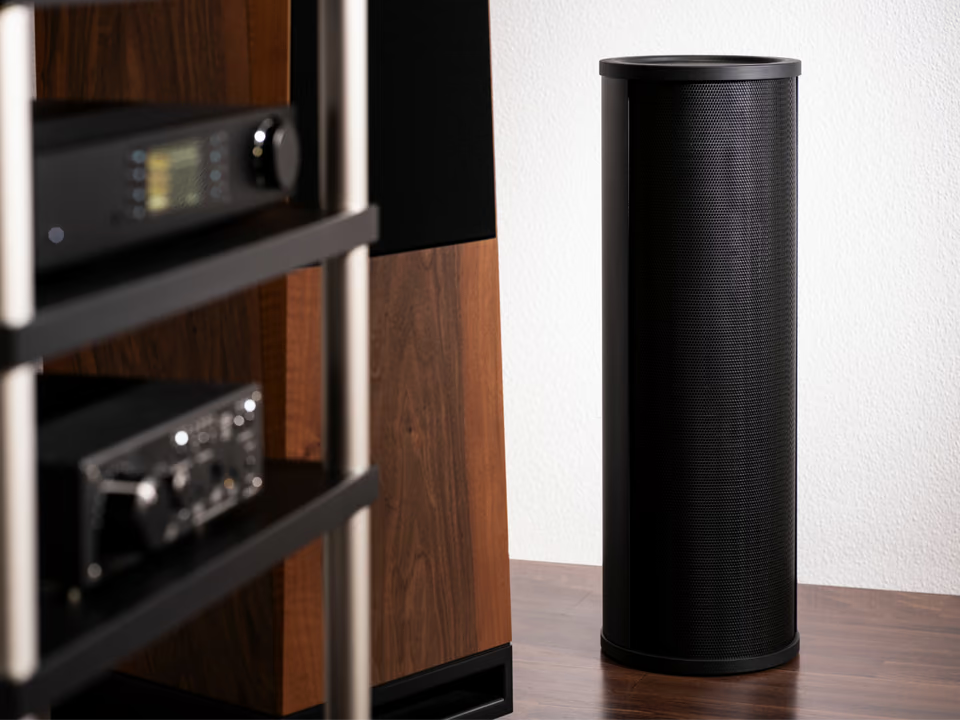
Melbourne · PSI Audio AVAA C214
Hear the difference. In your own room.
Free Melbourne demo · C214 A$6,199 each incl. GST
In your room
We bring AVAA C214 to your room and use a measurement microphone to compare it switched off and on. We show you the measurement results in person and listen to familiar music together, helping you judge whether the improvement is worthwhile.
We’ll respond within 24 hours of receiving your application. Free for approved Melbourne applications. No obligation to buy.
Microphone measurements on site
Results explained in person
No obligation to buy
Sound familiar?
Moving speakers, adjusting EQ or adding bass traps can help. If certain notes still boom or blur together, it is worth finding out what remains unresolved: excess level, prolonged decay, or another room or system issue.
A few bass notes dominate, even when you change the music.
Bass lines lose their pitch separation and stop-start definition.
The sound becomes thick and crowded as you turn it up.
Why deep bass asks more of treatment
Deep bass has a long wavelength. Controlling it means balancing absorber depth, useful bandwidth and the space you can give up.
Thicker porous treatment and suitable air gaps can improve low-frequency absorption. This distance comparison shows why the spatial challenge grows as frequency falls.
Calculated with sound speed 343 m/s. For a normally incident wave at a rigid wall, the first particle-velocity maximum is a quarter wavelength away. Actual absorption depends on material, depth, air gap, area and placement; shallower treatments can still work. 70 Hz is not a cut-off.
Membrane and panel traps concentrate absorption around a tuned frequency. If a room has separate issues near 30, 40, 50 and 70 Hz, one tuning may not address them all.
Illustrative problem bands, not a measured room or an absorption curve. Bandwidth depends on design and damping; some designs broaden it. Multiple separated resonances may call for several tuning targets, more treatment area or a combined approach.
C214 works across 15 to 160 Hz without choosing one tuning frequency for each room mode. That makes it an option when several bass resonances need attention and room for large treatments is limited.
C214 operating range
Operating range does not imply equal absorption at every frequency or guarantee a result in your room. Placement, quantity and suitability still need on-site verification.
Active absorption · 15 to 160 Hz
AVAA C214 actively absorbs low-frequency energy within its 15 to 160 Hz operating range, helping reduce excess room resonance and prolonged decay. It works acoustically in the room. Your music signal does not pass through it, so your existing playback connections stay in place.
Active control creates a low acoustic impedance at the absorber, allowing low-frequency energy to be absorbed. C214 contains digital control technology, but it does not process your music signal and is not a phase-cancellation device.
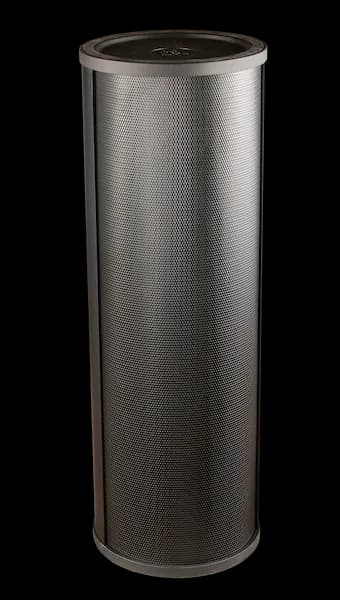
AVAA C214Works separately in the room · mains power required
C214 addresses excess low-frequency resonance. Deep cancellations, subwoofer integration, high-frequency reflections and soundproofing may need other approaches. We assess suitability before recommending a purchase.
A real Melbourne comparison
In our Melbourne case, the original interpretation reported a shorter visible tail around 75 to 85 Hz, with some issues remaining. The original REW project and complete settings are not published, so this interpretation has not been independently verified.
The spectrogram adds time. The before and after colour scales differ, so the same colours cannot be compared directly. The dashed Peak Energy Time trace is not a decay curve.
The right-channel before and after views use different colour scales, so the same colours cannot be compared directly. The original interpretation has not been independently verified against the REW project.
Another room provides a reference. Your room deserves its own comparison.
Your room · your system · your music
We review your postcode, room and practical placement, then agree an appointment with you.
We use a measurement microphone to establish a baseline with C214 off, then repeat with it on, keeping microphone position and playback settings consistent.
We show you the measurements in person and compare familiar music. Together, we consider what changed, what remains and whether the improvement is worthwhile.
You do not need REW files or measurement equipment. We bring the equipment and explain the results during the visit.
Apply for a free in-home demoWe’ll respond within 24 hours of receiving your application. Free for approved Melbourne applications. No obligation to buy.
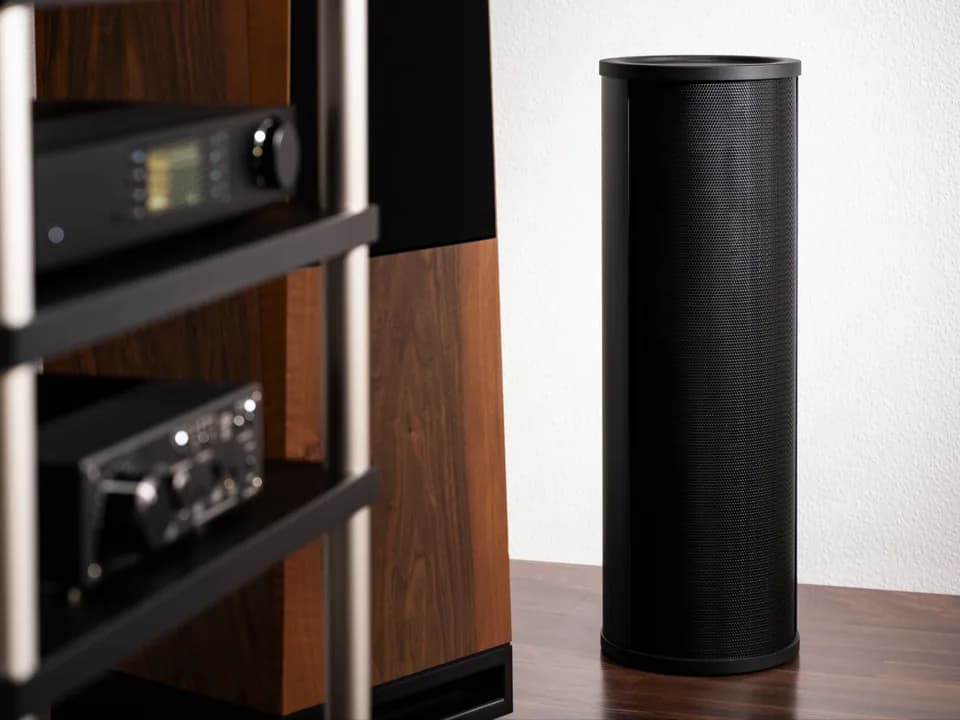
The product & your local support
A$6,199per unit, including GST
If the demonstration shows a worthwhile improvement, you can decide whether to purchase. We confirm the products, total price and availability in writing before any order.
For purchases through MSN Audio within our confirmed Melbourne service area, delivery, final placement, controller setup, sensitivity optimisation and an on-site REW check are included.
The free in-home demonstration is for listeners who understand the product price and are seriously considering C214. Applying does not commit you to a purchase.
FAQ
Yes, for approved applications within our confirmed Melbourne service area. There is no demonstration fee or obligation to buy, even if the improvement is not worthwhile to you.
No. We bring a measurement microphone, measure on site and show you the results in person. Existing measurements can help, but no files or equipment are required to apply.
Yes. We keep the settings consistent during the off/on comparison so you can judge what C214 changes.
Prepare some familiar music and access to possible positions near the walls. We will discuss any other arrangements with you before the appointment.
This offer is an arranged in-home demonstration. Overnight loans are not included.
We respond within 24 hours of receiving your application. We confirm service-area coverage, room suitability, practical access and availability before agreeing an appointment. An application does not confirm a booking.
Your next step
Tell us a little about your room and how to reach you. We’ll respond within 24 hours of receiving your application to review suitability and confirm the next steps. Your appointment is confirmed separately.
We’ll respond within 24 hours of receiving your application. Free for approved Melbourne applications. No obligation to buy.