
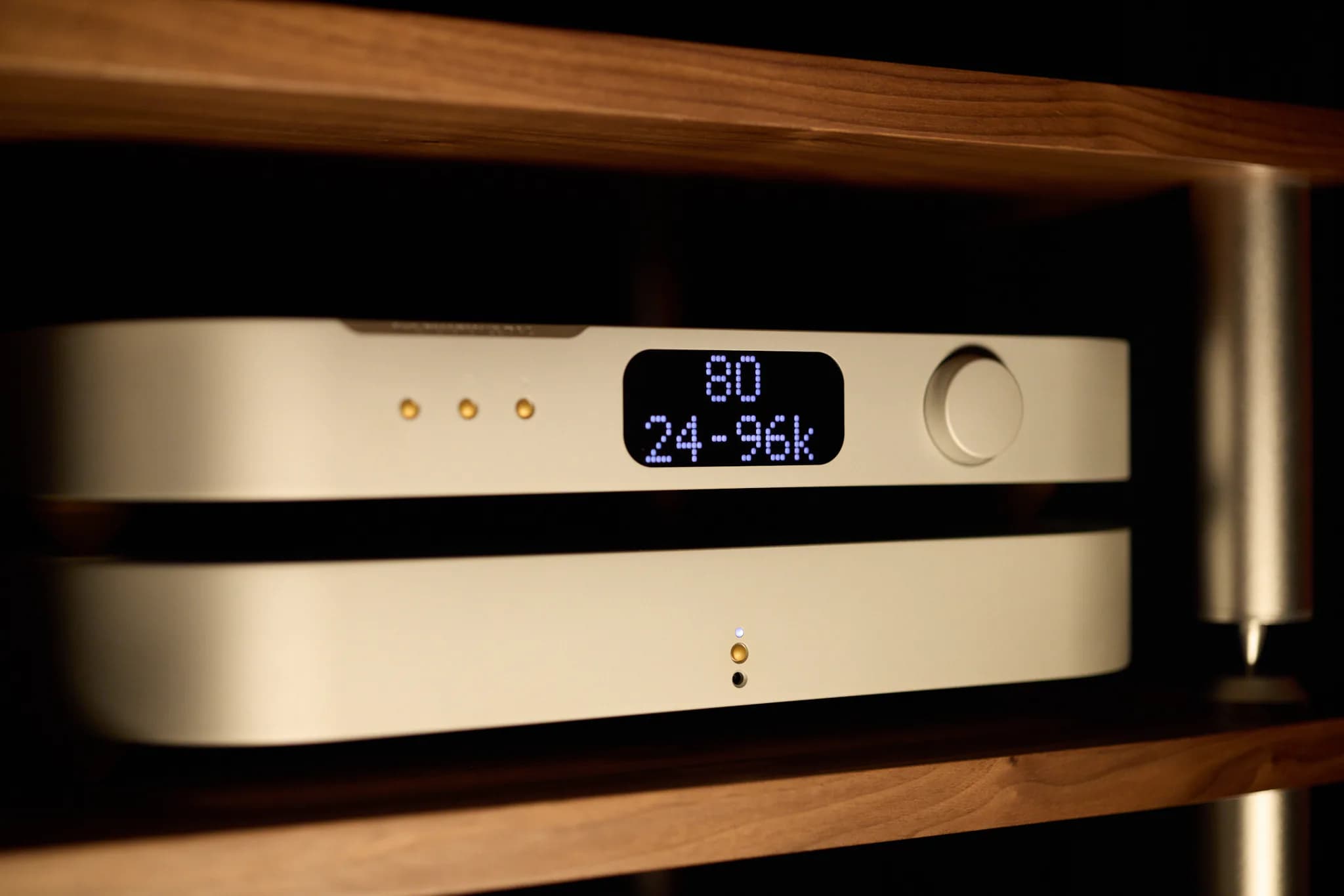
How small details become a complete performance
A loudspeaker can change tonal balance, scale, bass extension and imaging within seconds. Modern DACs are harder to compare in that way. Even relatively affordable products can offer flat frequency response, low measured distortion and broad PCM and DSD compatibility.
At the upper end of the market, the more revealing question is not simply whether a DAC produces more detail. It is what the complete signal path avoids losing.
Listen for the tiny change in force inside a bowed note; the way a piano tone develops after the hammer strike; the relationship between a plucked string, the body of the instrument and the room around it; or the silence that separates a kick drum from a bass line. These are not decorative sounds added to the recording. They are time relationships that help the performance feel coherent.
In my system, the simpler connection made these relationships easier to follow, from the start of a note through to its decay.
Reference DAC configuration options
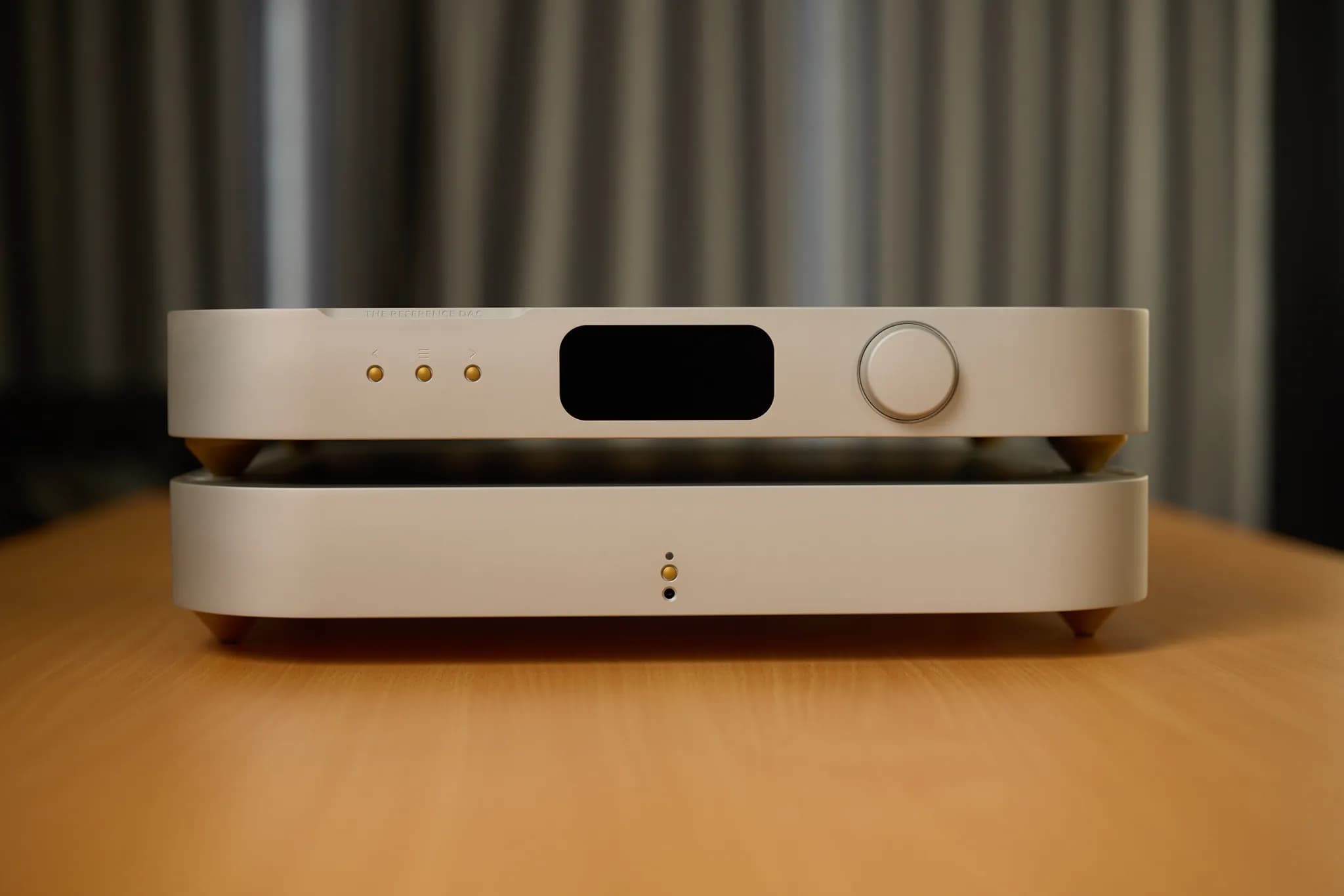
Two Reference DACs can look almost identical from the listening chair while differing materially in function and value. The platform uses four MSB Hybrid DAC modules and accepts different clock, output, power and input configurations.
Depending on the individual unit, the configuration may include a Femto 140, 77 or 33 clock; the optional constant-impedance passive preamplifier output; a Single or Dual Powerbase arrangement; and input paths such as Renderer V2, conventional digital inputs or the multi-part Pro USB and Pro ISL fibre system.
Used prices vary with the fitted clock, output module, Powerbase and inputs, as well as condition and service history. The serial number, included cables and firmware help identify what a particular unit offers.
The specific unit behind this article was manufactured in late 2022 and includes a Single Powerbase, Femto 33 clock, passive analogue preamplifier output, Renderer V2, SPDIF/Toslink input and a complete Pro USB path. Its Australian price when new was A$85,000 with this configuration. MSN Audio listed it at A$42,500 including GST when this article was prepared. The linked product page has current availability and purchase details.
Hybrid DAC: PCM and DSD are converted by the same discrete platform
MSB describes its Hybrid DAC as a fully balanced, discrete ladder architecture. “Hybrid” does not mean a PCM converter beside a separate DSD chip. The module is dynamically reconfigured: it operates as a multibit discrete DAC for PCM and as a large parallel single-bit discrete DAC for DSD.
The module accepts digital data and produces a continuous voltage. MSB states that there is no conventional buffer, I/V converter, op-amp or transistor stage after conversion. Multiple modules are used to improve performance and reduce output impedance.
MSB designs the conversion topology, component matching and output path itself. When comparing PCM and DSD releases, mastering also matters: a format label alone tells us little about which version we will prefer.
For a deeper technical explanation, read MSB Hybrid DAC explained: PCM, native DSD and DSD512.
Power and physical separation are part of the signal path
The separate Powerbase keeps the main power supply away from the clock, conversion modules and analogue signal. It also gives the designer more room to arrange power distribution, grounding, shielding and cooling.
MSB’s newer Cascade platform makes this division even more explicit: digital processing and interfaces live in a Digital Director, low-noise conversion occupies an Analog Converter, and analogue power sits in a dedicated Powerbase. The two-box Palisade integrates its linear supply into the Analog Converter but retains the separation between digital processing and conversion.
These models use different arrangements to manage power and processing within the available space.
Renderer V2 and Pro USB solve different source problems
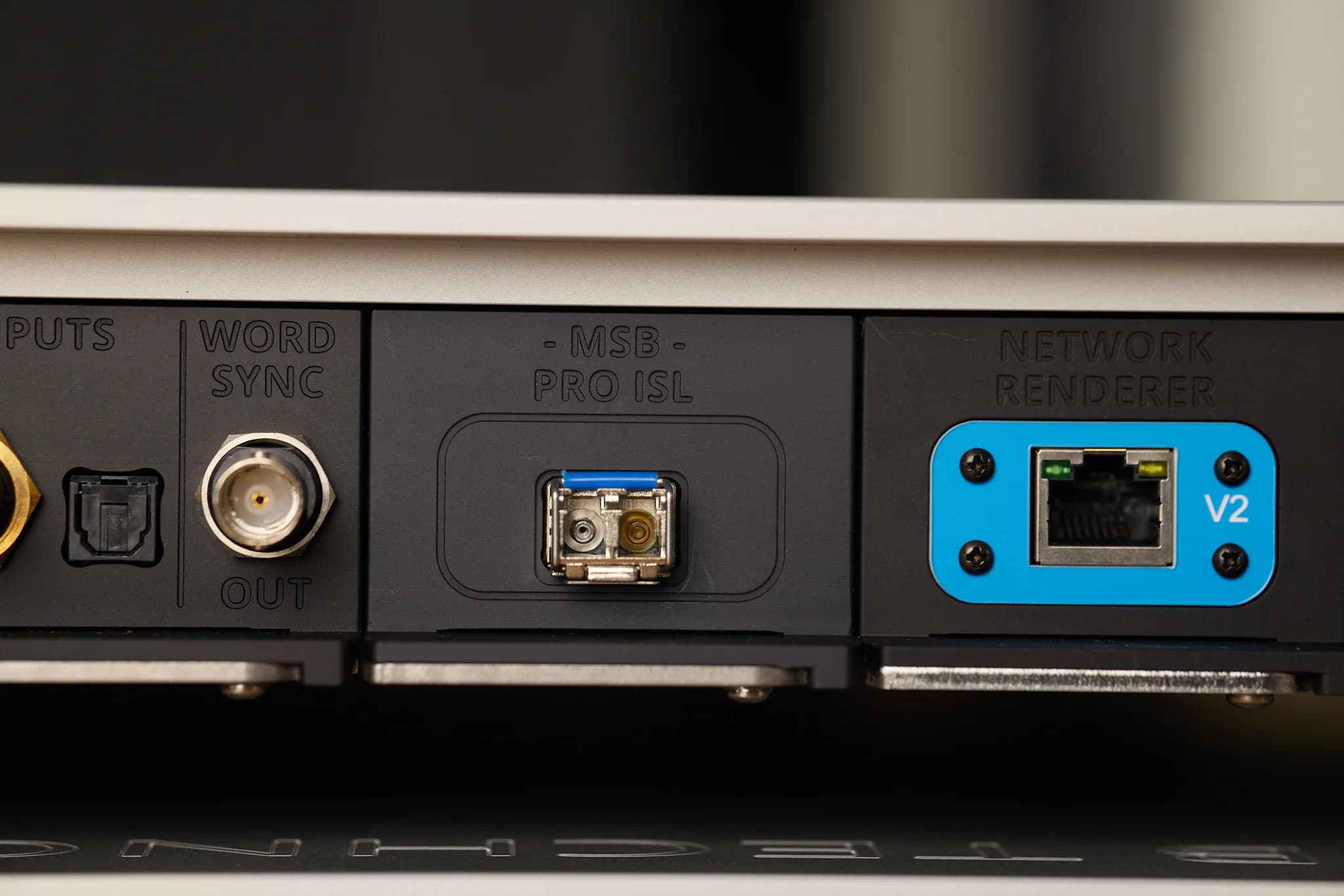
Renderer V2 turns a compatible MSB DAC into a network endpoint. MSB currently lists Roon Ready, UPnP/DLNA and Qobuz Connect support, with input-dependent capability up to 32-bit/768 kHz PCM and 4× DSD. It is an effective way to simplify a system when the preferred playback software already supports it.
Pro USB is a different path. A computer or server connects by USB to the external Pro USB interface, which converts the stream to MSB’s proprietary Pro ISL fibre link. MSB specifies electrical isolation, PCM up to 24-bit/768 kHz and up to 8× DSD when the complete supported path and firmware are present.
One is not a universal replacement for the other. The right choice depends on the playback ecosystem, format requirements and the equipment already owned.
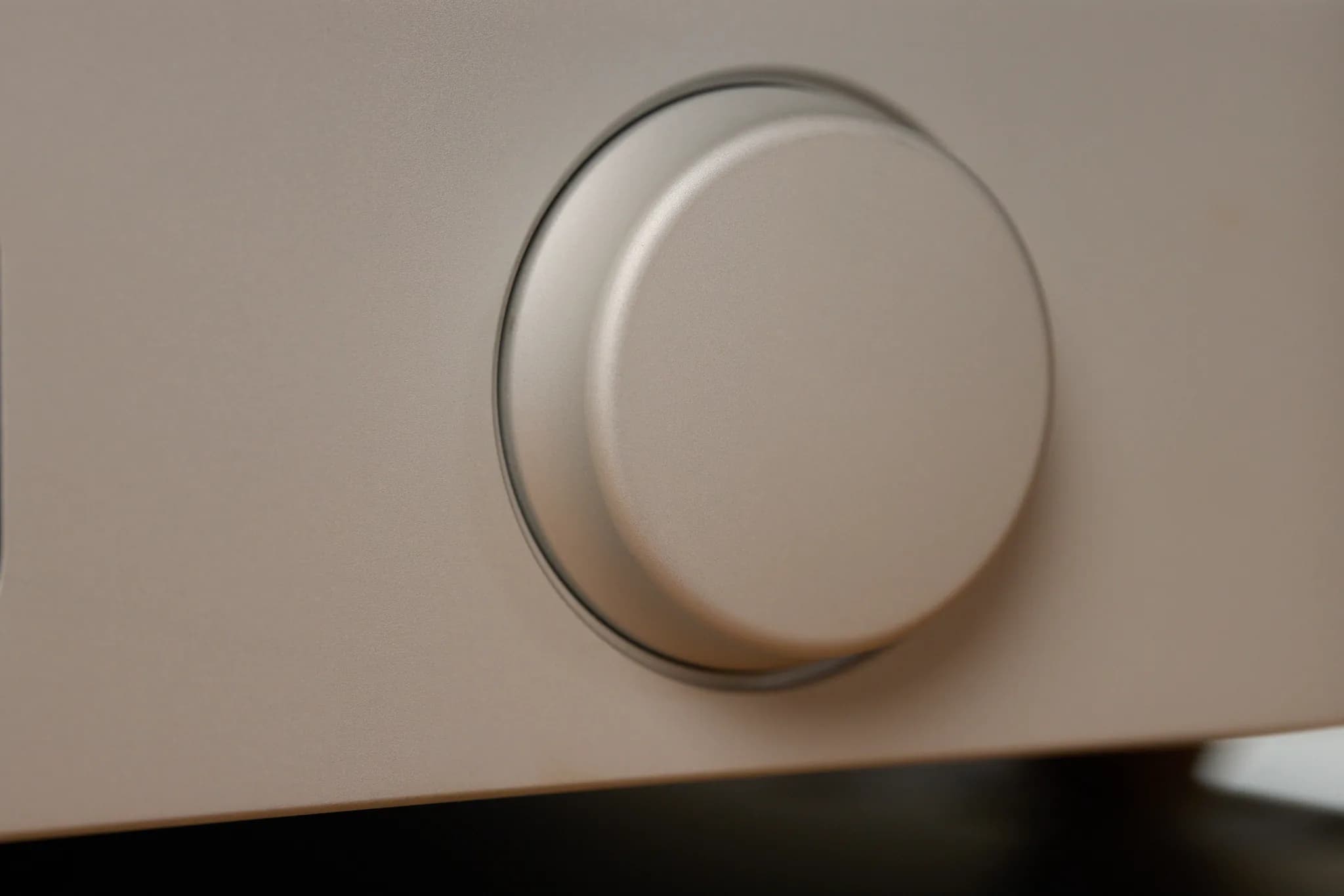
The passive output changed the result in my system
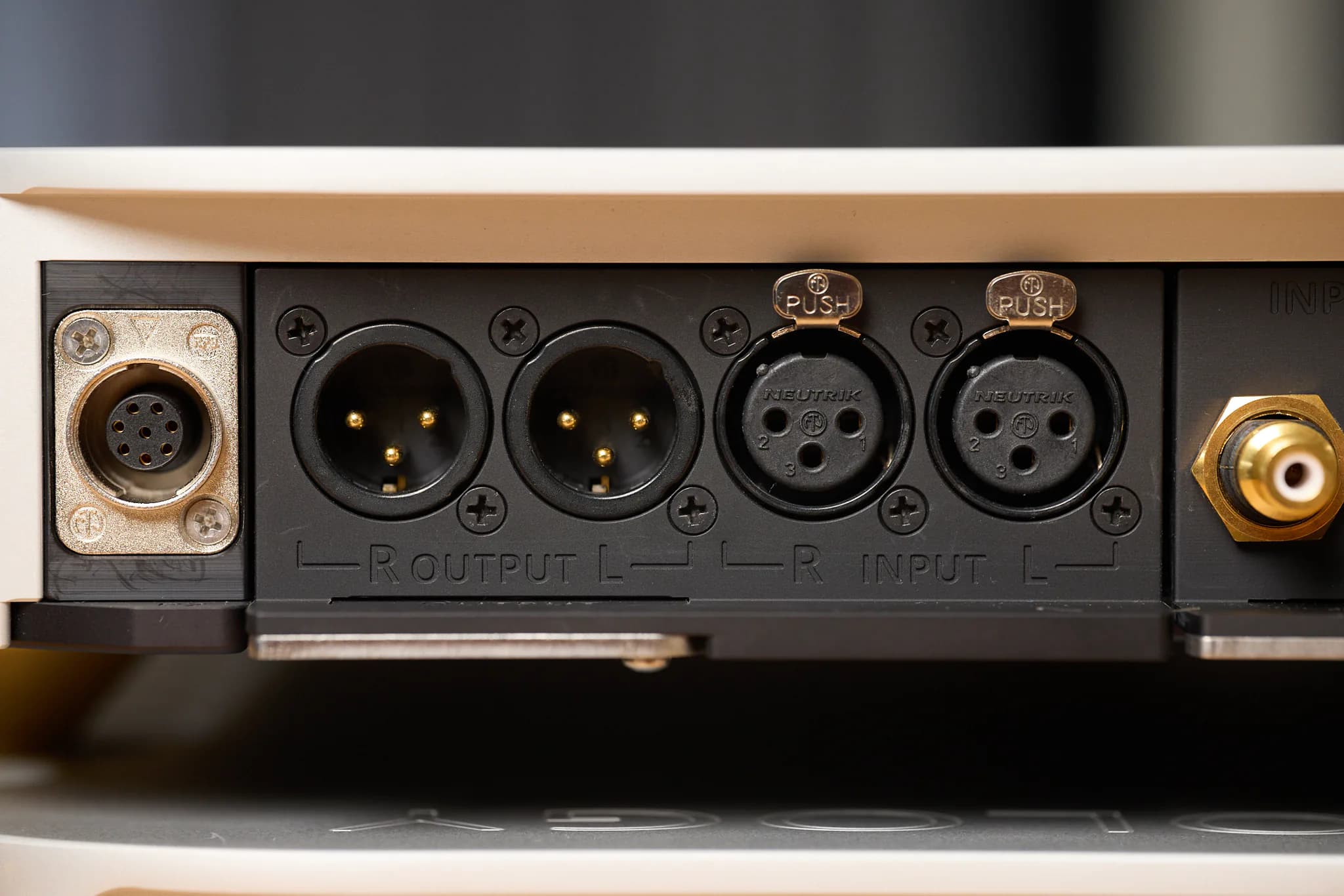
The Reference’s optional preamplifier output is not digital attenuation. The DAC modules complete conversion at full level; a purely passive, constant-impedance analogue network then adjusts volume in 1 dB steps. MSB specifies a 150-ohm balanced output and 3.57 Vrms maximum from a digital input.
Direct connection is practical when the amplifier’s input sensitivity and impedance suit the DAC. Cable length and available gain also matter: the system needs to reach your preferred listening level with your speakers in your room.
In my system, with Focal Sopra N3 loudspeakers and the power-amplifier section of a Burmester 232, available level was not the problem. When the Burmester preamplifier was in circuit, the Reference sounded polished and substantial, yet the smallest musical movements felt slightly smoothed. Bypassing it removed a layer I had not recognised as a layer.
An active preamplifier can still be useful for extra gain, buffering, long cables and source switching. I would compare both arrangements in the system where they will be used, including the controls and connections needed every day.
What changed when the signal path became simpler
The first change was transparency without leanness. The tonal balance did not suddenly turn cold. Instead, the internal movement of notes became easier to follow.
In Flight of the Bumblebee, the performance stopped being only an exhibition of speed. The pressure, crowding and instability implied by the phrasing became more apparent. In the storm sequence from Vivaldi’s Summer, the build-up carried a clearer sense of accumulated force before release. With plucked strings, the event no longer ended at the initial transient; the vibration of the string, the response of the body and the decay into the recorded space remained connected.
That is the kind of detail I value in the Reference. It does not merely separate small sounds. It preserves enough of the relationship between them for technique to become expression.
The full listening discussion continues in What the MSB Reference DAC changed about the way I hear detail.
My experience comparing Reference and dCS
I have compared the Reference with a dCS Rossini Apex, both with and without an external clock. Both approaches can produce exceptional results, and price alone does not make them direct equivalents.
My subjective shorthand is that the dCS presentation makes spatial order and boundaries especially easy to read, while the MSB draws my attention more readily to physical action and musical continuity. That is a preference formed in particular systems, not a universal hierarchy.
The useful conclusion is not that one brand wins. It is that two mature architectures can organise the same recording differently enough for a controlled audition to matter.
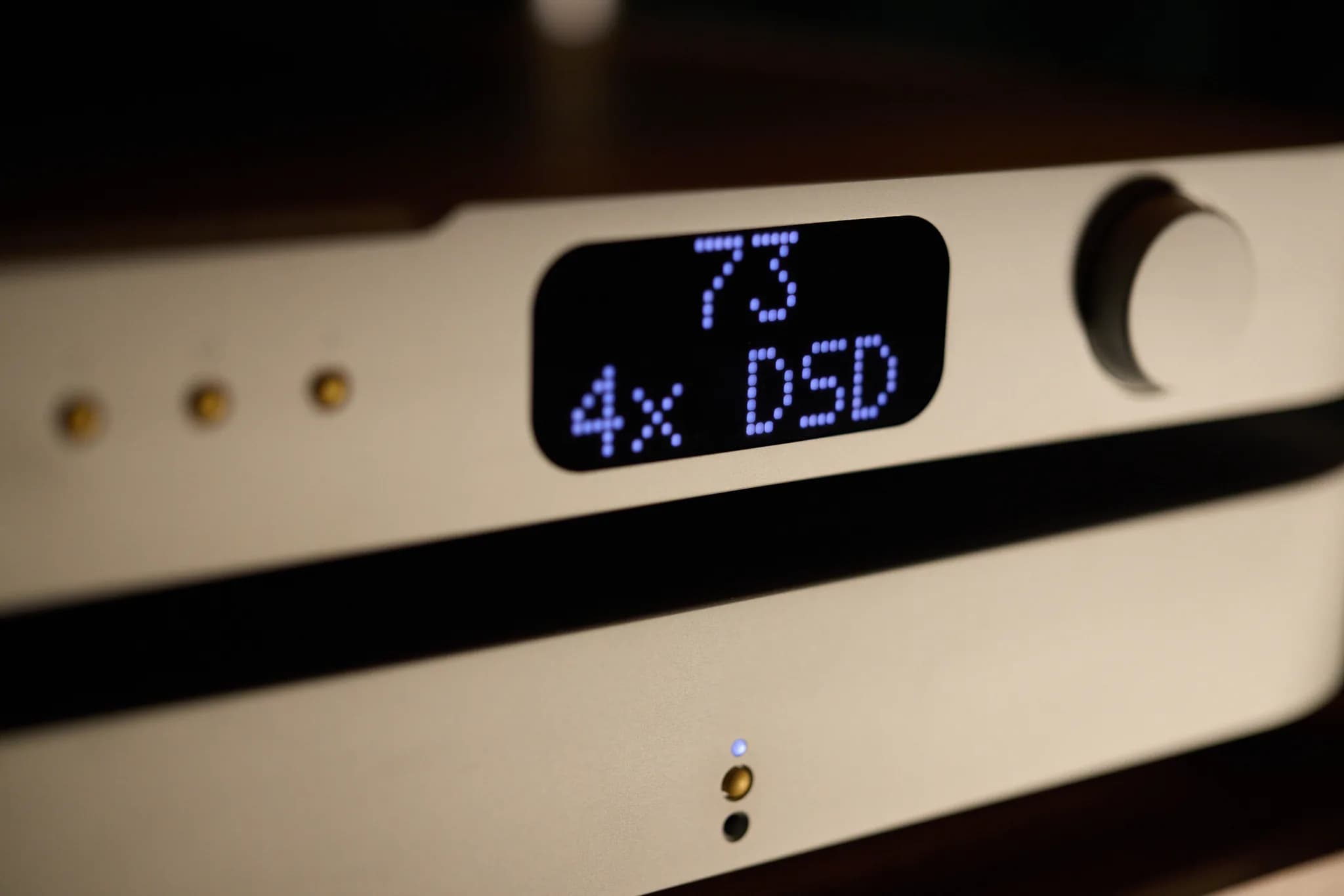
Where the Reference demands caution
The Reference is discontinued. MSB still maintains a support page, and released Reference firmware version 39.21 on 16 April 2026, but future parts and upgrade availability should be confirmed for the specific unit.
It is large and heavy, and a used unit’s value depends on its configuration. Renderer V2 works with compatible playback software and services rather than a complete MSB music-library app. Long cables, low-impedance loads, multiple outputs or a need for active gain may favour a separate preamplifier. Room and speaker setup remain separate parts of getting the system right.
Those are not footnotes. They are part of deciding whether a discontinued reference product is still the right product.
Hearing the Reference for yourself
I now regard this Reference as an exceptional digital source. I would still not recommend buying a DAC at this price because an article or video made it sound convincing.
For a visit to MSN Audio, you are welcome to choose familiar music. By prior arrangement, one compatible DAC or streamer can be included. We can prepare a comparison using the same amplification and speakers, allowing time for several recordings.
View the individual MSB Reference DAC trade-in unit or request an MSB private audition.